JLPT N5 vocabulary
上がる: meaning, reading and conjugation
Reading and pitch accent
あがる0Heiban · flat
Godan verb (u-verb)
Meaning
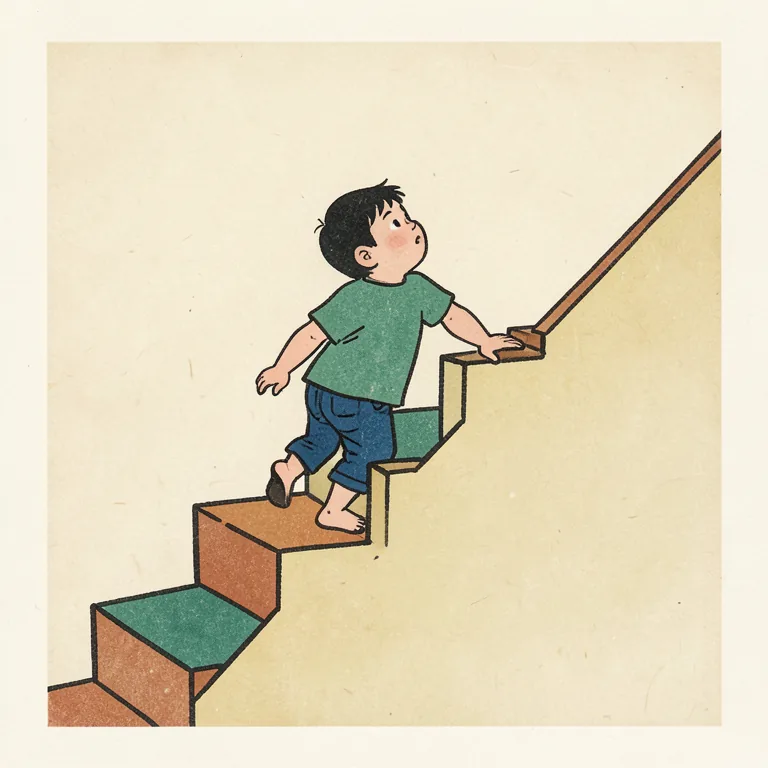
- to rise, go up, come up, ascend, be raised
- to enter (especially from outdoors), come in, go in
- to enter a school, advance to the next grade
- to get out of water, come ashore
- to increase
- to improve, make progress
- to be promoted, advance
- to be made (of profit, etc.)
- to occur (especially of a favorable result)
- to be adequate (to cover expenses, etc.)
- to be finished, done, over
- to stop (of rain), let up
- to stop working properly, cut out, give out, die
- to win (in a card game, etc.)
- to be spoken loudly
- to be offered (to the gods, etc.)
- to go, visit (humble)
- to eat, drink (honorific)
- to serve in one's master's home
- to be complete, finish (after the -masu stem of a verb)
- above, north of (expression)
Conjugation
| Form | Affirmative | Negative |
|---|---|---|
| Basics | ||
| Plain present辞書形 · ない形 | 上がる | 上が |
| Plain pastた形 · なかった形 | 上が | 上が |
| Polite presentます形 | 上が | 上が |
| Polite pastました形 | 上が | 上が |
| Te-formて形 | 上が | 上が |
| Conditions and moods | ||
| If (-ba)ば形 | 上が | 上が |
| If / when (-tara)たら形 | 上が | 上が |
| Let’s / will意向形 | 上が | —not in common use |
| Want toたい形 | 上が | 上が |
| Command / don’t命令形 · 禁止形 | 上が | 上がる |
| Can · passive · causative | ||
| Can (potential)可能形 | 上が | 上が |
| Passive受身形 | 上が | 上が |
| Make / let使役形 | 上が | 上が |
| Be made to使役受身形 | 上が | 上が |