JLPT N5 vocabulary
降る: meaning, reading and conjugation
Reading and pitch accent
ふる1Atamadaka · high start
Godan verb (u-verb)
Meaning
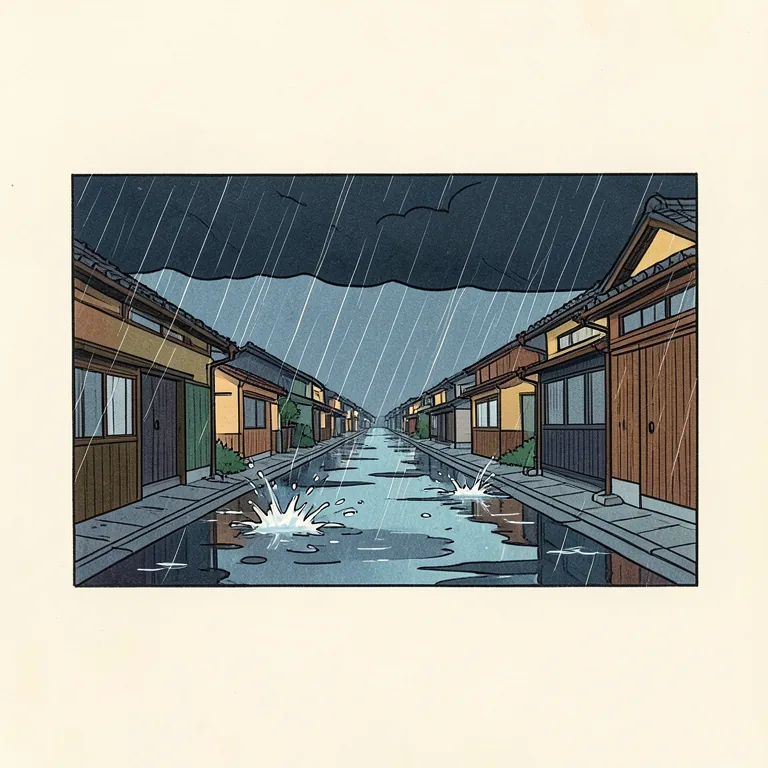
- to fall or come down, of rain, snow, ash, etc.
- to form, of frost
- to beam down, of sunlight or moonlight, pour in
- to visit or come, of luck, misfortune, etc., arrive
Conjugation
| Form | Affirmative | Negative |
|---|---|---|
| Basics | ||
| Plain present辞書形 · ない形 | 降る | 降 |
| Plain pastた形 · なかった形 | 降 | 降 |
| Polite presentます形 | 降 | 降 |
| Polite pastました形 | 降 | 降 |
| Te-formて形 | 降 | 降 |
| Conditions and moods | ||
| If (-ba)ば形 | 降 | 降 |
| If / when (-tara)たら形 | 降 | 降 |
| Let’s / will意向形 | 降 | —not in common use |
| Want toたい形 | 降 | 降 |
| Command / don’t命令形 · 禁止形 | 降 | 降る |
| Can · passive · causative | ||
| Can (potential)可能形 | 降 | 降 |
| Passive受身形 | 降 | 降 |
| Make / let使役形 | 降 | 降 |
| Be made to使役受身形 | 降 | 降 |
Example sentences
今日は雨が降るんだっけ?
Was it supposed to rain today?
明日は雨が降るだろうと思う。
I think it will probably rain tomorrow.
今日は雨が降るのではないだろうか。
I think it might rain today.