JLPT N5 vocabulary
被る: meaning, reading and conjugation
Reading and pitch accent
かぶる2Nakadaka · falls inside
Godan verb (u-verb)
Meaning
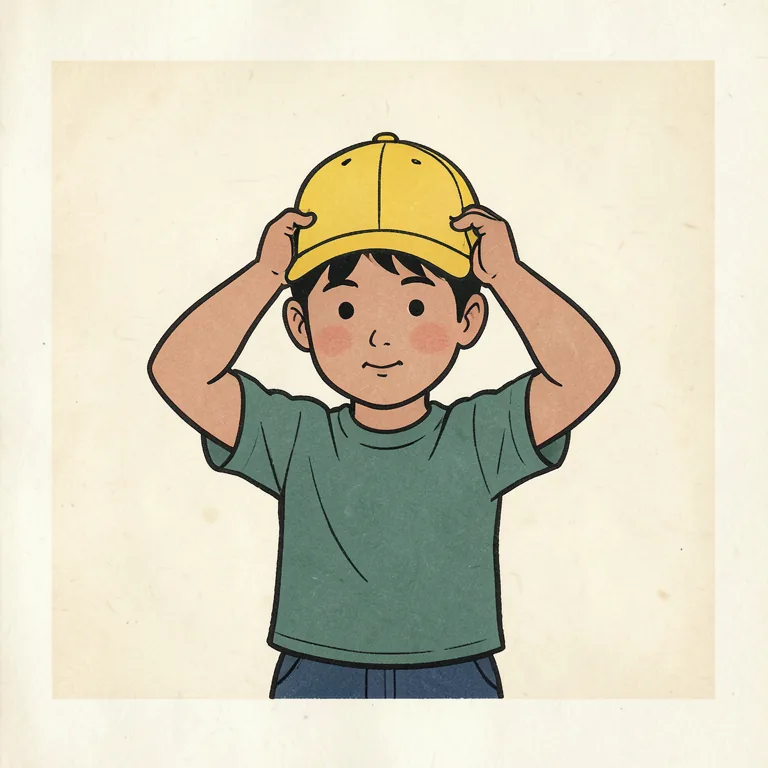
- to put on (one's head), to wear, to have on, to pull over (one's head), to crown (oneself)
- to be covered with (dust, snow, etc.), to pour (water, etc.) on oneself, to dash on oneself, to ship water
- to bear (e.g. someone's debts, faults, etc.), to take (blame), to assume (responsibility), to shoulder (burden)
- to overlap (e.g. sound or color)
- to be similar, to be redundant
- to be fogged (due to overexposure, etc.) (of film)
- to close, to come to an end (of a play, etc.)
- to get a full house, to sell out (of a play, etc.)
- (archaic) to blunder, to bungle, to fail (of a play, etc.)
- (archaic) to be deceived
Conjugation
| Form | Affirmative | Negative |
|---|---|---|
| Basics | ||
| Plain present辞書形 · ない形 | 被る | 被 |
| Plain pastた形 · なかった形 | 被 | 被 |
| Polite presentます形 | 被 | 被 |
| Polite pastました形 | 被 | 被 |
| Te-formて形 | 被 | 被 |
| Conditions and moods | ||
| If (-ba)ば形 | 被 | 被 |
| If / when (-tara)たら形 | 被 | 被 |
| Let’s / will意向形 | 被 | —not in common use |
| Want toたい形 | 被 | 被 |
| Command / don’t命令形 · 禁止形 | 被 | 被る |
| Can · passive · causative | ||
| Can (potential)可能形 | 被 | 被 |
| Passive受身形 | 被 | 被 |
| Make / let使役形 | 被 | 被 |
| Be made to使役受身形 | 被 | 被 |