JLPT N5 vocabulary
渡る: meaning, reading and conjugation
Reading and pitch accent
わたる0Heiban · flat
Godan verb (u-verb)
Meaning
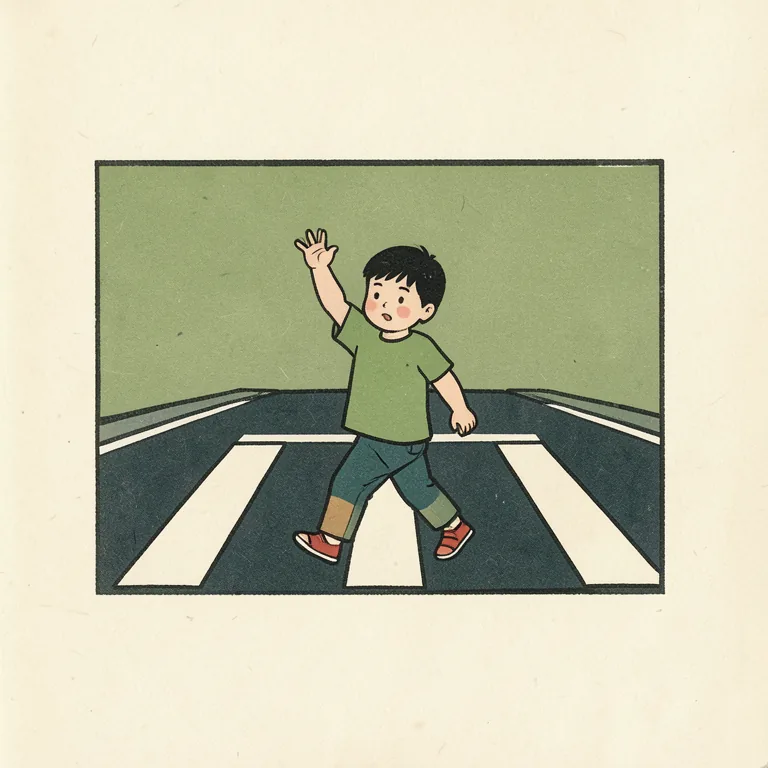
- to cross over, to go across
- to extend, to cover, to range, to span
Conjugation
| Form | Affirmative | Negative |
|---|---|---|
| Basics | ||
| Plain present辞書形 · ない形 | 渡る | 渡 |
| Plain pastた形 · なかった形 | 渡 | 渡 |
| Polite presentます形 | 渡 | 渡 |
| Polite pastました形 | 渡 | 渡 |
| Te-formて形 | 渡 | 渡 |
| Conditions and moods | ||
| If (-ba)ば形 | 渡 | 渡 |
| If / when (-tara)たら形 | 渡 | 渡 |
| Let’s / will意向形 | 渡 | —not in common use |
| Want toたい形 | 渡 | 渡 |
| Command / don’t命令形 · 禁止形 | 渡 | 渡る |
| Can · passive · causative | ||
| Can (potential)可能形 | 渡 | 渡 |
| Passive受身形 | 渡 | 渡 |
| Make / let使役形 | 渡 | 渡 |
| Be made to使役受身形 | 渡 | 渡 |
Example sentences
小川を歩いて渡った。
I crossed the small stream on foot.
あの大学の野球チームは10年間に渡って優勝をし続けました。
That university's baseball team kept winning the championship for 10 years.
その川を泳いで渡るとしたら、 どれだけ時間がかかるだろうか。
How long would it take you to swim across the river?