JLPT N5 vocabulary
休む: meaning, reading and conjugation
Reading and pitch accent
やすむ2Nakadaka · falls inside
Godan verb (u-verb)
Meaning
- to be absent, take a day off
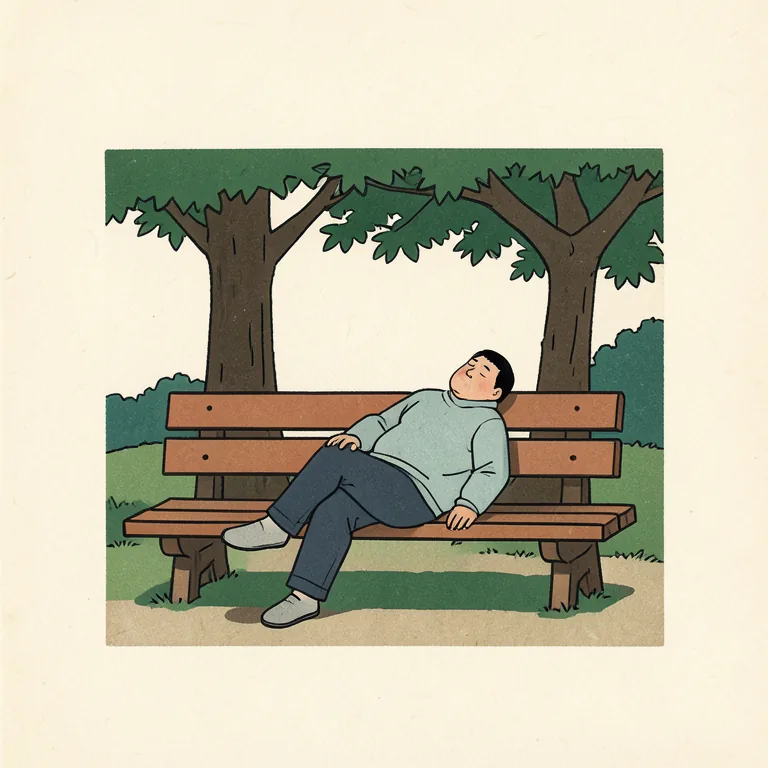
- to rest, have a break
- to go to bed, lie down to sleep, turn in, retire
- to stop an ongoing activity for a time, suspend business
Conjugation
| Form | Affirmative | Negative |
|---|---|---|
| Basics | ||
| Plain present辞書形 · ない形 | 休む | 休 |
| Plain pastた形 · なかった形 | 休 | 休 |
| Polite presentます形 | 休 | 休 |
| Polite pastました形 | 休 | 休 |
| Te-formて形 | 休 | 休 |
| Conditions and moods | ||
| If (-ba)ば形 | 休 | 休 |
| If / when (-tara)たら形 | 休 | 休 |
| Let’s / will意向形 | 休 | —not in common use |
| Want toたい形 | 休 | 休 |
| Command / don’t命令形 · 禁止形 | 休 | 休む |
| Can · passive · causative | ||
| Can (potential)可能形 | 休 | 休 |
| Passive受身形 | 休 | 休 |
| Make / let使役形 | 休 | 休 |
| Be made to使役受身形 | 休 | 休 |
Example sentences
この3日間というもの、忙しくて休んでいない。
For these three days, I've been busy and haven't rested.
今日は会社を休んだよ。だって電車が止まってるんだもん。
I took today off from work. It's because the trains stopped running.
医者に診てもらえばいいものを、父は目眩は休めば治るといっている。
Dad should see a doctor, but he says his dizziness will go away if he rests.