JLPT N5 vocabulary
出かける: meaning, reading and conjugation
Reading and pitch accent
でかける0Heiban · flat
Ichidan verb (ru-verb)
Meaning
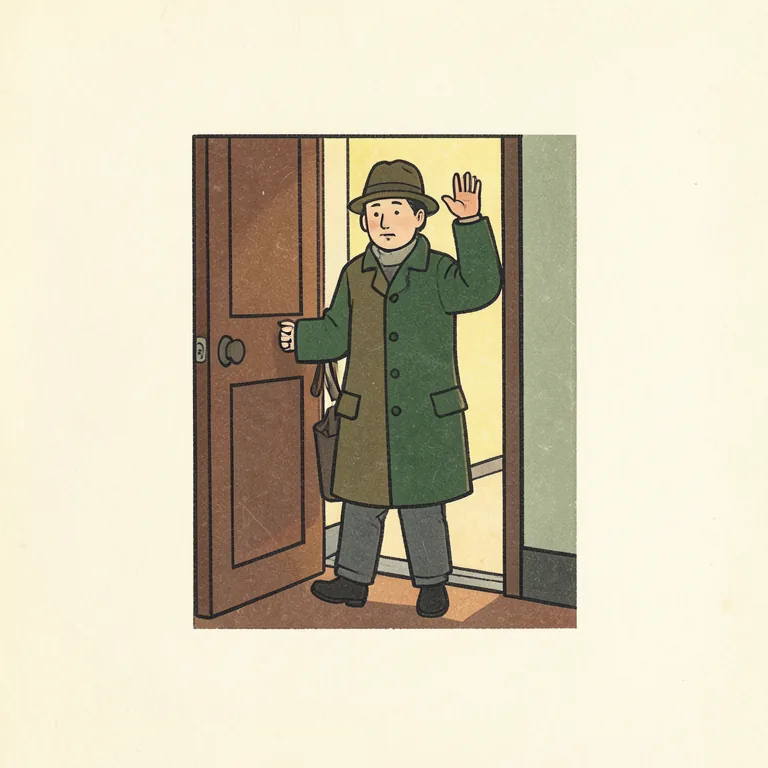
- to go out (e.g. on an excursion or outing), to leave, to depart, to start, to set out
- to be about to leave, to be just going out
Conjugation
| Form | Affirmative | Negative |
|---|---|---|
| Basics | ||
| Plain present辞書形 · ない形 | 出かける | 出かけ |
| Plain pastた形 · なかった形 | 出かけ | 出かけ |
| Polite presentます形 | 出かけ | 出かけ |
| Polite pastました形 | 出かけ | 出かけ |
| Te-formて形 | 出かけ | 出かけ |
| Conditions and moods | ||
| If (-ba)ば形 | 出かけ | 出かけ |
| If / when (-tara)たら形 | 出かけ | 出かけ |
| Let’s / will意向形 | 出かけ | —not in common use |
| Want toたい形 | 出かけ | 出かけ |
| Command / don’t命令形 · 禁止形 | 出かけ | 出かける |
| Can · passive · causative | ||
| Can (potential)可能形 | 出かけ | 出かけ |
| Passive受身形 | 出かけ | 出かけ |
| Make / let使役形 | 出かけ | 出かけ |
| Be made to使役受身形 | 出かけ | 出かけ |
Example sentences
出かける前に部屋の掃除をしなさい。
Clean your room before you head out.
あまりの暑さに、今日は外へ出かけられなかった。
It was so hot that I couldn't go out today.